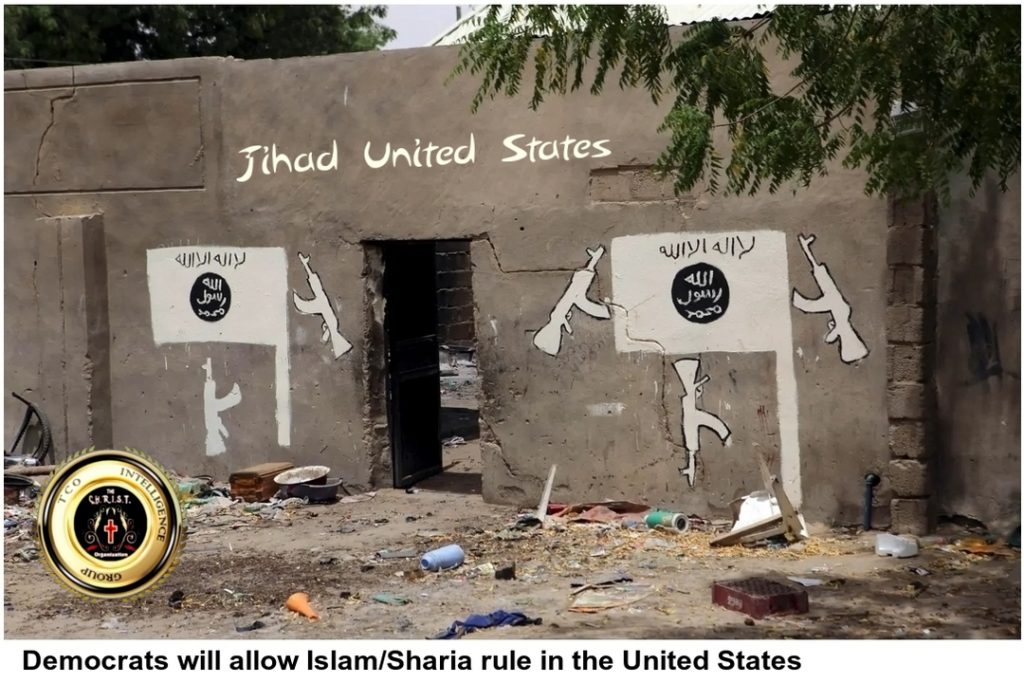
Islamic terrorism remains a persistent and dynamic threat to the United States, according to U.S. government agencies and national security experts. This threat manifests in various forms, including inspiration for “lone wolf” attacks, online radicalization, and the ongoing activities of foreign terrorist organizations.
Nature of the Threat
- Inspiration vs. Direction: Since the territorial defeat of the Islamic State (ISIS) caliphate, attacks in the U.S. are more likely to be inspired by, rather than directly orchestrated by, international groups. Organizations like ISIS and Al-Qaeda use online propaganda to encourage sympathizers to carry out attacks wherever they are located.
- Homegrown Violent Extremists: The majority of individuals involved in jihadist terrorism-related crimes in the U.S. since 9/11 have been American citizens or legal residents who radicalized domestically.
- Foreign Terrorist Organizations (FTOs): Designated FTOs like al-Qaeda, ISIS, Hamas, and Lebanese Hizballah continue to pose a threat, focusing on both U.S. interests abroad and potentially targeting the homeland. State sponsors of terror, such as Iran, also present a heightened threat environment, with the potential for cyberattacks and plots against U.S. officials or critics.
- Targeting: Terrorists associated with this ideology pose a danger to civilians, as well as military and law enforcement personnel.
Current Assessment
U.S. authorities, including the Department of Homeland Security (DHS) and the FBI, actively monitor and work to disrupt plots from both foreign and domestic sources. The threat landscape has evolved from large, coordinated conspiracies to a focus on lone offenders who are harder to detect.
While the frequency and average lethality of jihadist attacks in the U.S. have fluctuated over the years, the potential for mass-casualty events necessitates continued counterterrorism efforts. The ongoing conflicts in the Middle East, such as the Israel-Iran conflict, are noted by DHS as factors that could increase the likelihood of U.S.-based individuals plotting attacks.
The U.S. government emphasizes a comprehensive approach to counter all forms of violent extremism, acknowledging that threats come from various ideologies, including both Islamic extremism and domestic far-right extremism.
The presence and influence of Sharia law in the United States is a topic of concern for some, particularly in communities with significant Muslim populations. Sharia, derived from the Quran and Hadith, is a comprehensive legal and moral framework guiding many aspects of life for practicing Muslims. It is important to understand that the interpretation and application of Sharia can vary widely among Muslim communities.
In the United States, the legal system is based on the Constitution, which guarantees religious freedom while maintaining a clear separation between religion and state law. While some Muslim communities may follow certain personal or religious practices inspired by Sharia, these practices do not override U.S. law. The American legal system does not recognize any religious law as superior to constitutional law.
The concept of Sharia as a universal and binding legal code that conflicts with the U.S. Constitution and Western values is often debated. Many Muslim Americans integrate their faith with their commitment to U.S. laws and norms, finding ways to practice their religion within the framework of American society.
It is essential to approach this subject with nuance and avoid broad generalizations. Understanding the diversity within Muslim communities and the distinctions between religious beliefs and legal obligations helps foster informed and respectful dialogue about the role of Sharia and its place in American society.
Leave a Reply