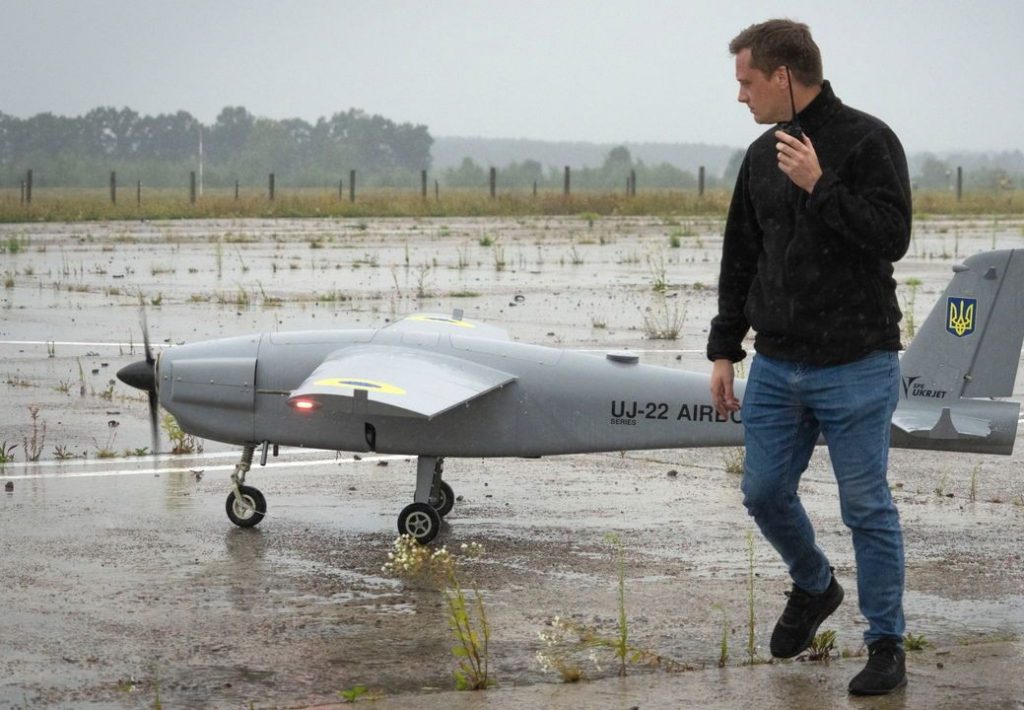
In the United States, there have been instances where individuals or groups have attempted to use remotely piloted aircraft or drone technology to harm U.S. interests. For example, in 2012, a group based in Virginia with connections, direct or indirect, to Lashkar-e-Taiba, a terrorist organization based in Pakistan, sought to acquire drone technology for the group. In 2011, a U.S. national and university student plotted to pilot explosive-laden, remotely controlled planes to attack U.S. government facilities and military installations. These examples highlight the potential for malicious use of drones not only in active conflict zones but also within Western countries, a threat that should not be overlooked.
The concern in the U.S. and other Western countries is the low acquisition cost of drone technology, making it accessible to various actors—including state and non-state groups and even private individuals. The components needed to build drones are easy to procure, and operating these aircraft does not require a high level of sophistication.
This situation presents significant challenges for officials and law enforcement in the West. While it is important not to exaggerate drone threats as the most pressing security issue domestically, it is also true that local law enforcement agencies may lack the resources, training, and equipment to effectively detect, monitor, and counter drone threats. In active conflict zones, the military typically has the necessary capabilities to address drone-related threats. However, in Western cities, the relative lack of sophisticated counter-drone infrastructure could pose a significant security gap that needs attention.

Leave a Reply to Joseph Palazzolo Cancel reply